From SCORM Runtime to xAPI Statements: The Mental Model Shift
xAPI is not SCORM with JSON. The real shift is from browser-owned runtime state to event records sent to an LRS, which changes launch, identity, debugging, and reporting.



xAPI is not SCORM with JSON. The real shift is from browser-owned runtime state to event records sent to an LRS, which changes launch, identity, debugging, and reporting.
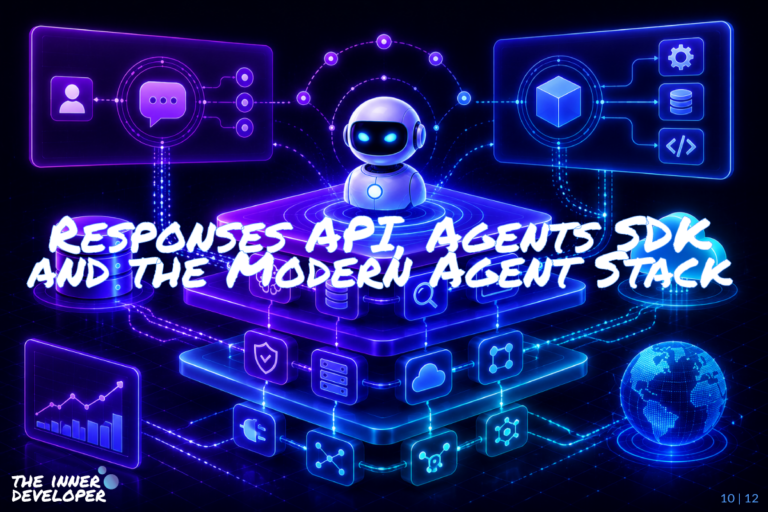
Most teams think they are choosing a framework. In practice, they are choosing what they will be able to see, control, and recover when an agent fails. This article explains the execution layer, orchestration layer, state tradeoffs, and the real architectural decisions behind a modern agent stack.

Systems become fragile when correctness depends on invisible timing assumptions.

SCORM 2004 is not the future of e-learning standards, but it is still part of the present. If you work with enterprise LMS platforms, legacy content, or structured learning paths, SCORM 2004 remains highly relevant. Not because it is modern, but because it is still deeply embedded in the ecosystem.

Learn how to design an eval set for a tool-using agent using trace-level evaluation, dataset splits, layered scoring, and realistic failure cases that catch regressions before production.
If changing a setting requires changing code, your system is tighter than it needs to be.

SCORM 2004 does not fail silently. It tells you exactly what went wrong. If you are not reading error codes, validating API calls, and tracing lifecycle state, you are not debugging. You are guessing.
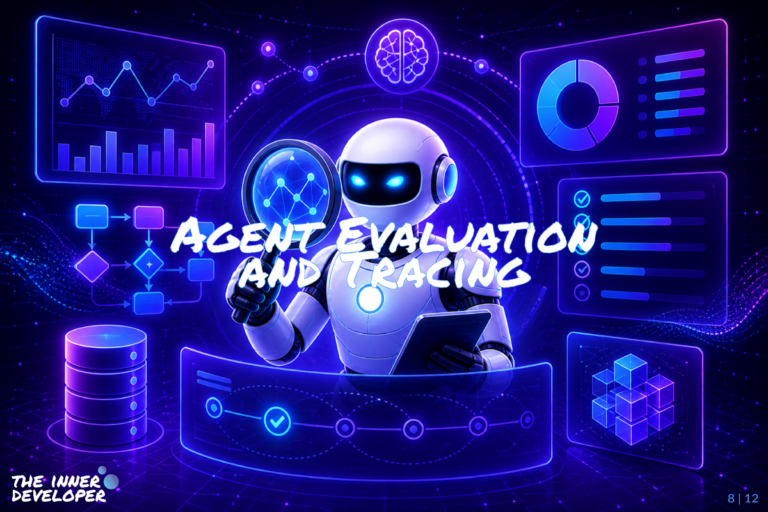
Prompting can improve a single run, but it cannot prove that an agent workflow is reliable. This article explains how traces, scorecards, offline evals, and online monitoring turn agent quality into an engineering discipline.

Inheritance feels elegant at first, but deep hierarchies often charge interest later.
Migrating from SCORM 1.2 to SCORM 2004 is not a version upgrade. It is a behavioral redesign. If your migration strategy only updates API calls and manifest versioning, you are not migrating. You are creating hidden inconsistencies.
We use cookies to improve your experience on our site. By using our site, you consent to cookies.
Manage your cookie preferences below:
Essential cookies enable basic functions and are necessary for the proper function of the website.
These cookies are needed for adding comments on this website.
Statistics cookies collect information anonymously. This information helps us understand how visitors use our website.
Google Analytics is a powerful tool that tracks and analyzes website traffic for informed marketing decisions.
Service URL: policies.google.com (opens in a new window)